

Why Digital Product Passports?
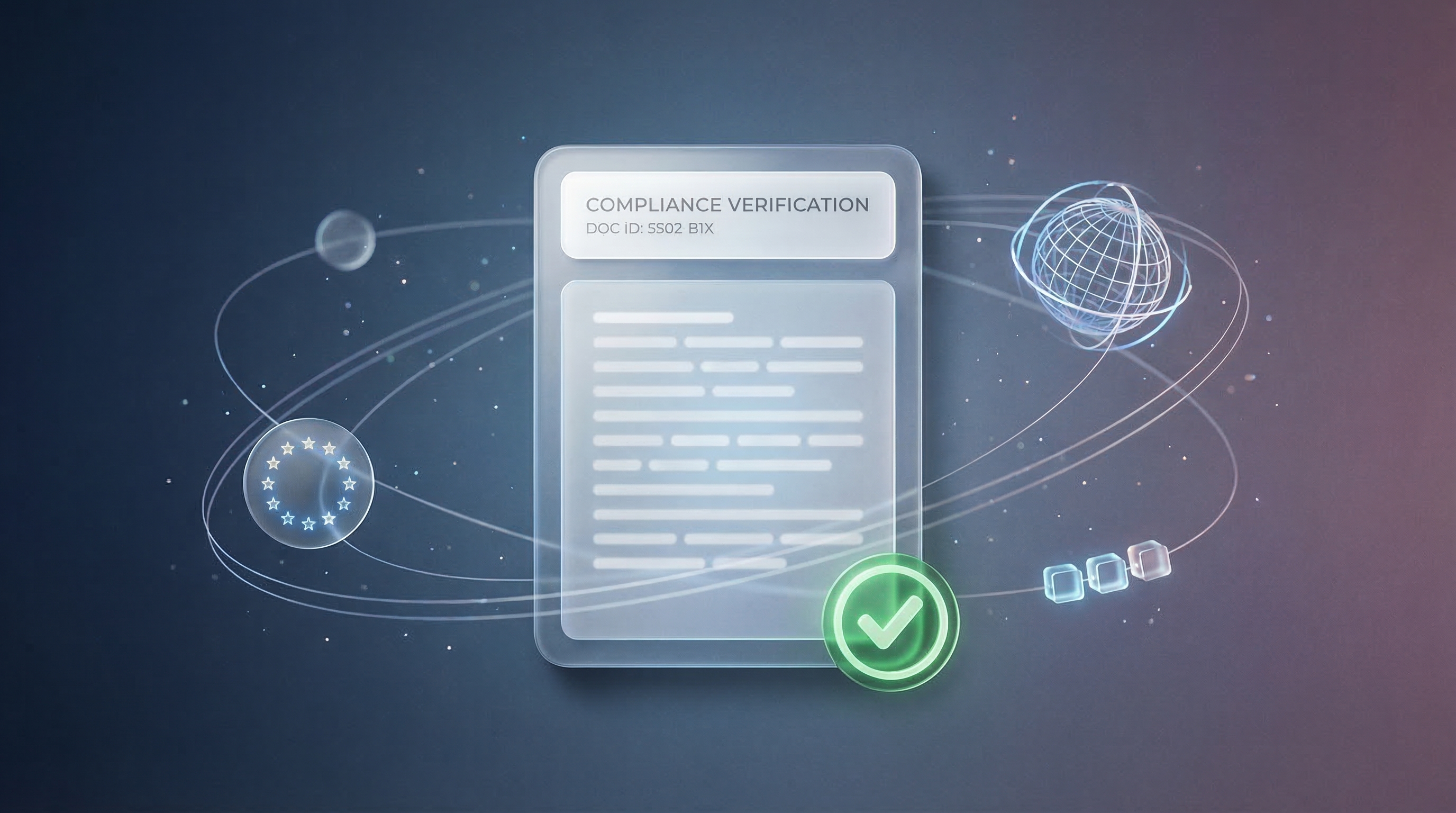
Digital Product Passports are reshaping how products move through supply chains. Brands that build verifiable product data now gain a competitive edge and meet upcoming regulatory mandates before deadlines arrive.
What is a Digital Product Passport?
A Digital Product Passport (DPP) is a structured digital record that travels with a product through its entire lifecycle. It contains data about materials, origin, manufacturing processes, certifications, sustainability claims, and end-of-life instructions. Unlike a static barcode or printed label, a DPP is machine-readable, independently verifiable, and can be updated as the product moves through the supply chain.
For consumers, it means scanning the data carrier — which may come in the form of a QR code, NFC chip, or RFID tag — and seeing exactly what a product is made of and who certified it. For businesses, it means a single source of truth that regulators, auditors, and partners can all reference.
The regulatory landscape
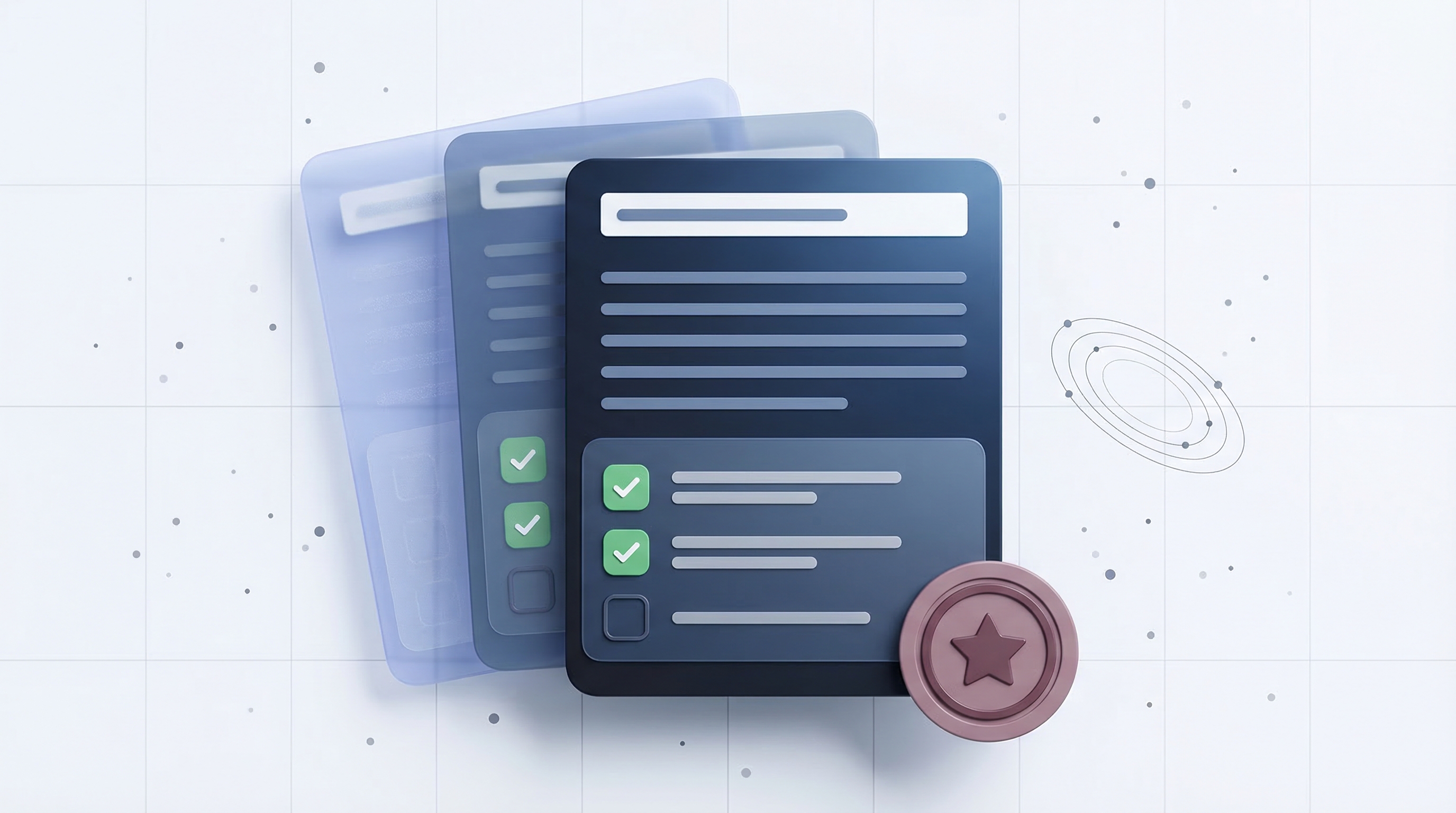
The EU Digital Product Passport regulation is the most immediate driver. Starting in 2027, textiles, electronics, batteries, and other regulated goods sold in the EU must carry a digital record of their materials, origin, environmental impact, and end-of-life instructions. Brands that cannot produce this data risk losing market access.
But the EU is not the only force:
- France's AGEC law already requires waste traceability for certain product categories.
- Germany's Supply Chain Due Diligence Act demands provenance documentation across the value chain.
- US textile labeling requirements are advancing toward digital disclosure.
- Retailers like LVMH and H&M Group are independently requiring digital product data from their suppliers, ahead of regulatory deadlines.
With more than 12.4 billion products expected to need DPPs under the EU's Ecodesign for Sustainable Products Regulation (ESPR), the direction is clear: product transparency is becoming a market requirement, not just a regulatory one.
How tamper-proof verification works

Blockchain is not the point of Universal Goods. Your product data is. But blockchain solves a specific, critical problem: how do you prove that product records have not been tampered with?
Traditional databases can be edited by anyone with admin access. A PDF certificate can be forged. A spreadsheet can be changed after the fact. When regulators, consumers, or partners need to trust your data, "trust us" is not sufficient.
Blockchain provides a verifiable reference point. When you finalise a batch, a cryptographic hash of the current production records is anchored on-chain. Anyone can later verify that the data matches the anchor — without relying on your honesty or your system's security. The proof is mathematical, not institutional. If data is updated, the anchor can be refreshed, creating a verifiable history of data states over time.
Day to day, you use a normal web application with forms, dashboards, and team management. The blockchain only appears at trust moments: finalising production records, verifying authenticity via Scan-to-Sign, and proving organisational identity. Brands do not need to understand blockchain. Consumers do not need a special account or app. The guarantees are real, but invisible to anyone who does not need to inspect them.
Industry context
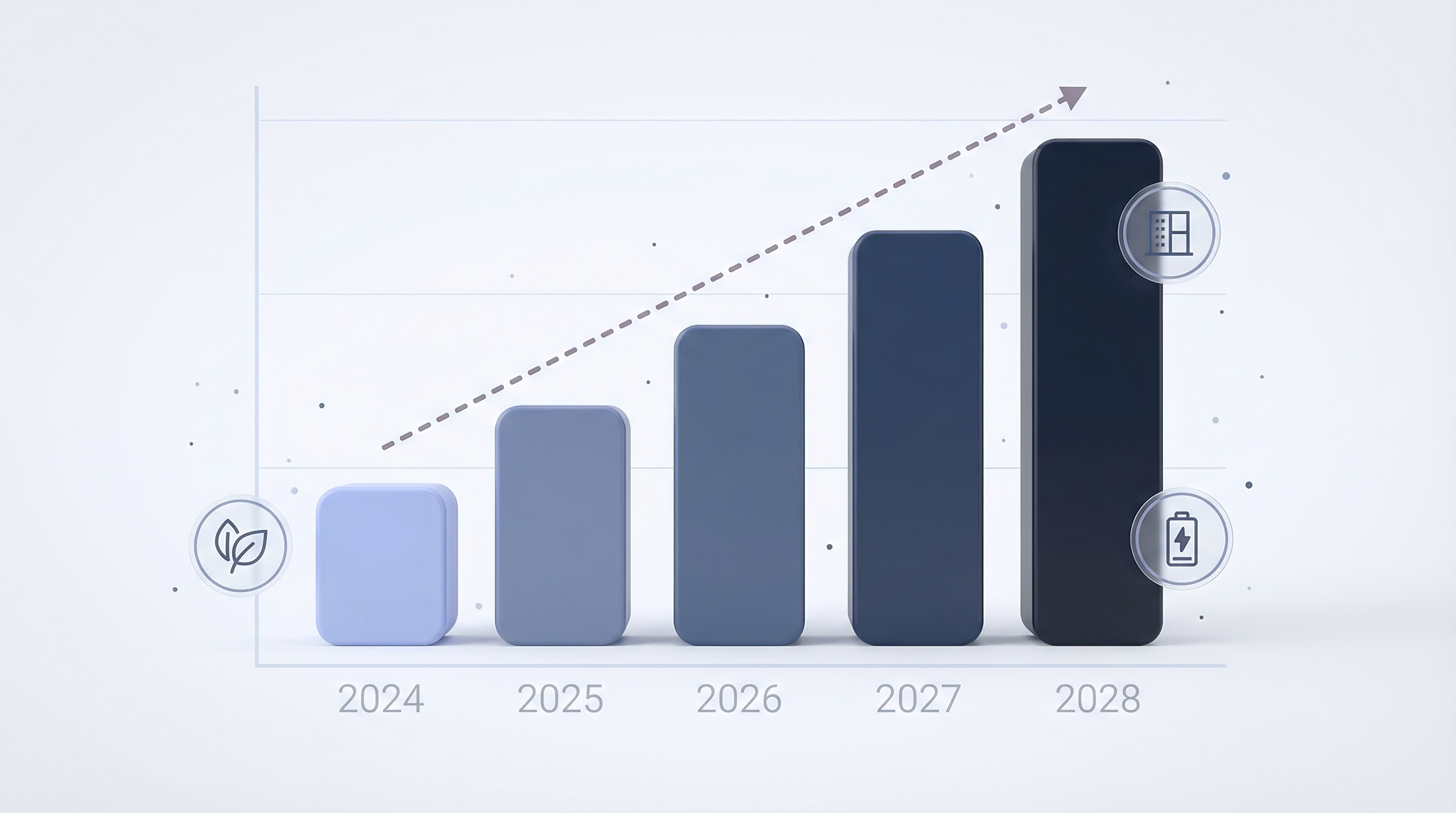
Digital product passports are not a speculative concept — and the brands moving first are pulling ahead. Major players are already investing:
- Luxury houses are tokenising products for authenticity and resale verification.
- Fashion brands are using DPPs to meet sustainability reporting requirements.
- Electronics manufacturers are preparing for battery passport mandates.
- Food and agriculture companies are building farm-to-fork traceability systems.
The competitive advantage is real: early adopters build the data infrastructure now, while there is time to iterate and refine. Late adopters face rushed implementations, higher costs, and potential market access disruptions. If you start today, you arrive at compliance deadlines with battle-tested processes rather than a scramble.
Next steps
- How It Works to understand the data model and trust architecture.
- Quickstart to create your first product and share a passport in under an hour.